
Losing weight after 40 can become harder even when your eating habits and activity level have barely changed. Your clothes fit differently, your energy has shifted, and the habits that once helped you lose weight seem less effective.

Obesity affects more than 4 in 10 adults in the United States. The Centers for Disease Control and Prevention reported a prevalence of 40.3% among adults during August 2021 through August 2023. Difficulty maintaining a healthy weight is common, and it deserves a medical conversation rather than another round of self-blame.
You haven’t suddenly forgotten how to eat well. Your body, symptoms, and daily demands may have changed, which means your approach may need to change with them.
Weight loss after 40 involves more than choosing a smaller lunch. Hormonal shifts can affect where you carry body fat. Changes in muscle mass, physical activity, sleep, and appetite can also contribute to weight gain.
At Refined Women’s Wellness, we look at how those pieces fit together. Your hormone health belongs in that conversation, along with nutrition, strength, sleep, and appropriate medical treatment.
Understanding what has changed is a more useful starting point than assuming you need another diet.
Why Weight Gain Becomes More Common in Midlife
Women gain weight in midlife for several overlapping reasons. Aging contributes to gradual weight gain, while the menopause transition can change fat distribution. You may notice more belly fat even without a large change on the scale.
The phrase “menopausal weight gain” often bundles these changes together. Separating them helps explain why an approach that worked ten years ago may not address everything happening now.
Hormonal Changes Can Shift Fat Storage
During perimenopause, hormonal fluctuations can bring irregular periods, hot flashes, mood swings, and disrupted sleep. As estrogen levels decline across the menopause transition, fat storage often shifts toward the abdomen.
Symptoms can develop while you are still having periods. You do not have to wait until your periods stop to discuss changes in sleep, mood, or weight.
Some abdominal fat is visceral fat, which surrounds internal organs. Its relationship to metabolic health makes a changing waistline worth discussing with your provider, even when your body weight has stayed fairly steady.
Hormonal changes are part of the picture. They do not explain every case of weight gain, and a changing waistline does not automatically tell us which treatment you need. Your symptoms, health history, and the timing of those changes help guide that decision.
Muscle Loss Can Change Your Energy Needs
Muscle mass can decrease by approximately 3% to 8% per decade after age 30, although the rate varies. Muscle tissue is metabolically active and uses more calories at rest than fatty tissue. Muscle loss can therefore reduce your daily energy needs, particularly when you also become less active.
This combination can feel like a slower metabolism. Your usual portions may now provide more calories than your body uses, making it easier to gain weight without noticeably changing your eating habits. Age-related changes can leave a smaller margin between the calories needed to maintain a healthy weight and the amount that contributes to weight gain.
Protecting lean muscle mass is an important part of weight management, including when you are taking weight loss medications. Muscle also helps your body handle blood sugar, giving it a role in metabolic health beyond the calories it uses.
A lower number on the scale is useful information. Being able to carry your groceries and climb the stairs comfortably matters, too.
Insufficient Sleep and Stress Can Derail Healthy Habits
Night sweats, nighttime waking, and a demanding schedule can leave you exhausted before the day begins. Preparing a balanced dinner becomes less appealing when you have been awake since 3 a.m.
Poor sleep can influence appetite and make healthy eating habits or regular exercise harder to maintain. Chronic stress can add another obstacle by affecting eating patterns and motivation.
Menopause weight gain may develop alongside these changes. A useful treatment plan considers sleep quality and stress management along with nutrition, movement, and medical options.
Sleep deserves a place in the conversation. It should not become the thing you will address after everything else is finished.
How Your Hormones Fit Into Your Weight Loss Plan
Hormone health should be considered when evaluating weight loss after 40, especially when weight changes occur alongside hot flashes, night sweats, disrupted sleep, or other menopause symptoms.
If symptoms are making everyday life harder, asking you to work around them indefinitely is not much of a plan.
For an appropriate patient, hormone therapy can relieve bothersome menopause symptoms. Improving night sweats and related sleep disruption may make it easier to stay active, prepare meals, and follow through with healthy lifestyle changes. Hormone therapy may also have modest effects on abdominal fat accumulation and body composition, although it is not a direct weight loss treatment.
That is why we consider menopause symptoms as part of the weight management discussion. A woman struggling with poor sleep, changing fat distribution, and difficulty losing weight deserves an evaluation that considers how those concerns overlap.
The decision to use hormone therapy depends on your symptoms, medical history, individual risks, and preferences. It should not be prescribed solely to lose weight, and it is not appropriate for every woman.
At Refined Women’s Wellness, our goal is to determine whether treating menopause symptoms could help you feel better and participate more comfortably in the rest of your plan.
You do not have to arrive with the treatment figured out. Bring your symptoms and questions. Sorting through the options is part of the appointment.
Where Medical Weight Management May Help
Some women benefit from prescription weight management medications alongside healthy eating, physical activity, and follow-up care. These medications work in different ways. Some reduce hunger or help you feel full sooner.
The National Institute of Diabetes and Digestive and Kidney Diseases lists six FDA-approved medications for long-term weight management, plus an additional medication restricted to certain rare genetic conditions. This describes available treatments generally; your provider determines whether a particular option is appropriate for you.
Prescription drugs used to treat obesity may be considered for adults with a body mass index of 30 or higher. Some medications may also be used to treat overweight in adults with a body mass index of 27 or higher and a weight-related condition, such as high blood pressure or type 2 diabetes.
Eligibility does not automatically mean medication is the right choice. Your medical history, current medications, treatment goals, and potential risks also matter.
Medication and hormone therapy address different needs. Some women may benefit from both after an individual assessment. Others may need one, neither, or a different approach.
Across prescription weight management medications, the National Institute of Diabetes and Digestive and Kidney Diseases, or NIDDK, reports that adults combining medication with a lifestyle program lose an additional 3% to 12% of their starting body weight after one year compared with adults following a lifestyle program alone. This estimate covers different medications and does not predict an individual patient’s results.
NIDDK also notes that most medication-related weight loss occurs within the first six months. Individual timelines vary, and six months is not an automatic stopping point.
Your provider should explain the treatment being considered, its approval status, potential benefits, side effects, and reasons it may be unsuitable for you. Pregnancy plans and current medications belong in that discussion.
Follow-up helps assess your response, nutrition, side effects, and longer-term needs. Maintaining weight loss may require continued treatment. Those expectations belong in the conversation before you begin.
Build a Plan That Protects Muscle and Supports Health
A sustainable approach to menopause weight gain includes habits you can continue through busy weeks, holidays, and changes in routine. Medical treatment, when appropriate, fits into that larger plan.
A plan that requires you to reorganize your entire life every Monday probably needs some adjustment.
Make Resistance Training a Priority
Resistance training helps preserve and build muscle mass as you age and while you lose weight. Resistance bands, weights, and suitable body-weight exercises can all be options.

Muscle is also an important destination for glucose, the sugar circulating in your blood. Your muscles take up glucose to use for energy and store some for later use.
During physical activity, contracting muscles can take up glucose through pathways that do not depend on insulin. Regular exercise also helps muscle cells respond more effectively to insulin. Resistance training supports these benefits while helping maintain or increase lean muscle mass.
That gives strength training a meaningful role in addressing insulin resistance. The benefits extend beyond the number of calories burned during a workout.
Current physical activity guidelines recommend muscle-strengthening activity on at least two days each week. Start at a level that matches your health and experience, and build gradually.
Maintaining strength also supports daily activities such as carrying groceries, climbing stairs, and getting up from a chair. Someone new to resistance training can benefit from guidance on safe technique and a manageable starting routine.
Consistency is a reasonable first goal. You do not need an elaborate home gym to begin.
Pair Strength Training With Regular Physical Activity
Aim toward at least 150 minutes of moderate-intensity aerobic exercise each week, such as brisk walking, as your health allows. Physical activity can be divided into shorter sessions.
Include both strength training and cardio in your routine. Aerobic exercise supports cardiovascular fitness, while resistance exercise helps maintain muscle mass. Your weekly plan should make room for both at a level appropriate for your health and experience.
Daily movement outside formal workouts matters, too. The energy used for activities such as walking around the house, gardening, taking the stairs, and doing chores is called non-exercise activity thermogenesis, or NEAT.
These activities contribute to total daily energy expenditure. Your movement does not stop counting when you leave the gym.
Eat to Support Your Body
A healthy diet should provide enough nourishment to support your daily needs. Include lean proteins, vegetables, fruit, whole grains, and healthy fats. Adding more fiber through foods such as beans, berries, and vegetables can support a balanced eating pattern.
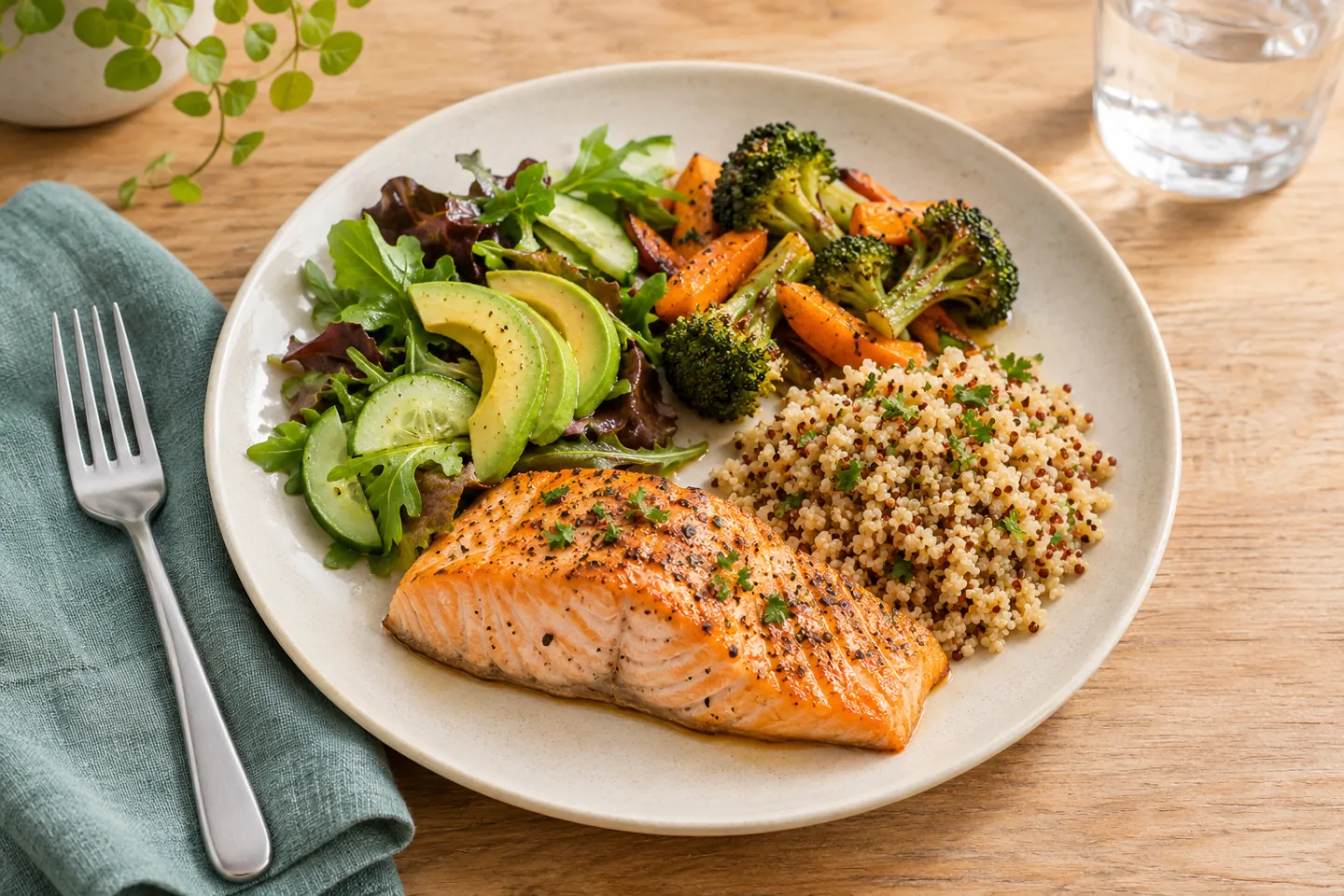
A Mediterranean-style eating pattern offers one practical framework. It emphasizes vegetables, fruit, beans, whole grains, nuts, and olive oil, with fish and other protein sources included according to your needs and preferences. Clinical research has found fewer major cardiovascular events among adults at high cardiovascular risk following Mediterranean diets supplemented with olive oil or nuts, compared with advice to reduce dietary fat.
You do not have to adopt an entirely new menu overnight. Start with meals you enjoy and find manageable ways to include more nourishing foods.
Include a source of protein at each meal to help meet your daily needs and support muscle maintenance and repair. Eggs, fish, poultry, Greek yogurt, tofu, beans, and lentils offer different ways to do that.
Protein deserves attention during weight loss, when preserving lean muscle mass is part of the goal. Your provider or a registered dietitian can help determine an appropriate amount for you.
A reduced appetite on medication makes attention to nutrition especially vital. Smaller meals still need to provide nourishment. Your provider or a registered dietitian can help tailor food intake, protein, and fluid needs to your health and treatment.
Some women may need about 200 fewer calories per day in their 50s than they did in their 30s and 40s to maintain their weight. That is a general estimate, not an instruction for every woman to cut 200 calories. Your muscle mass, activity level, health, and current food intake affect your needs.
If losing extra weight is appropriate, your provider or a registered dietitian can help establish a moderate calorie deficit while protecting nutrition and muscle. Needing fewer calories does not mean needing less nourishment. Choosing whole, nutrient-dense foods can help you meet your needs without relying on extreme restriction.
The goal is an eating pattern that supports your health while helping you manage weight. Automatically skipping meals is unlikely to make that plan more enjoyable.
Give Sleep and Recovery a Place in the Plan
Aim for seven to nine hours of quality sleep each night. Adequate sleep supports the regulation of appetite-related hormones, including ghrelin and leptin, which help signal hunger and fullness. Insufficient sleep can increase hunger and make it harder to manage food intake. Sleep also affects your body’s ability to respond to insulin.
A regular bedtime, a comfortable sleeping environment, and limiting screen time before bed may help improve sleep quality. Addressing night sweats or another condition disrupting your rest may be just as important as changing your bedtime routine.
Seven hours in bed and seven hours asleep are not always the same accomplishment.
Persistent insomnia, loud snoring, or night sweats deserve medical attention. You should not have to accept poor sleep as a permanent feature of being over 40.
Stress management can help protect the routines that support weight management. When your schedule leaves little room for meals, movement, or rest, healthy habits become harder to maintain.
Practical changes might include protecting a lunch break, preparing a few simple meals ahead of time, taking a short walk, or asking for help with responsibilities. Your plan needs to account for the life you actually lead.
What Progress Can Look Like Beyond the Scale
A healthy weight goal should account for your medical history, daily function, and long-term health. The scale is one measure, but it does not distinguish muscle from fat or explain how you feel.
Depending on your needs, follow-up may include discussing waist measurements, strength, sleep, blood pressure, and blood sugar levels. Those details help put weight changes into context.
Women managing menopausal weight gain deserve a broader view of progress. Protecting muscle mass, maintaining useful routines, and addressing health concerns matter alongside losing extra weight.
Weight loss goals should remain realistic enough to follow as life changes. Your plan can be adjusted without treating every adjustment as starting over.
Questions Women Ask About Weight Loss After 40
Can I still lose weight if I am already in menopause?
Yes. Menopause does not make weight loss impossible. Changes in fat distribution, muscle mass, symptoms, and physical activity may mean your approach needs updating. Your provider can help identify what is affecting your progress.
Do I need hormones to help with weight loss?
Hormone health deserves attention, particularly if menopause symptoms are disrupting your sleep or making it harder to stay active.
For women who are appropriate candidates, treating those symptoms with hormone therapy may make a weight management plan easier to follow. Hormone therapy itself is not a weight loss treatment, and not every woman needs it. Your provider can help determine whether it belongs in your care.
Why does resistance training matter if I already walk?
Walking supports cardiovascular health and daily activity. Resistance training adds a focused way to preserve or build muscle.
Working muscles take up glucose, and regular resistance exercise can improve insulin sensitivity. Combining walking with strength training supports fitness and metabolic health in complementary ways.
Will eating less solve menopausal weight gain?
Adjusting portions may help some women. Eating less without considering nutrition, muscle preservation, sleep, and medical concerns can leave important needs unaddressed.
A sustainable plan considers why weight gain is happening and how to support your health while you lose weight.
What if I keep trying to lose weight without progress?
Continued weight gain or difficulty losing weight despite consistent habits is a reason to schedule a medical review.
Bring a list of symptoms, medications, sleep concerns, and previous weight loss approaches. A healthcare professional can assess possible contributors and help determine a reasonable next step.
Do weight loss medications replace lifestyle changes?
No. Weight loss medications work alongside healthy eating, physical activity, and follow-up care. They can support weight management while you build the habits that help maintain strength and long-term health.
Talk With Refined Women’s Wellness About Your Next Step
Weight gain, changing appetite, and menopause symptoms can make your usual routine harder to maintain. You do not need to wait until you have tried every diet to ask for help.
At Refined Women’s Wellness in Marietta, we can discuss your symptoms, review your health goals, and help you explore appropriate care. Ask about our medical weight loss program and hormone therapy services to learn how each may fit your needs.
Call the office at 404-922-3050 to schedule an appointment. We can start with what has changed and work toward a plan that makes sense for you.